
Paleo Diet for Body Recomposition: Does Eating Like a Caveman Work?
Paleo Diet for Body Recomposition: Does Eating Like a Caveman Work?
The Paleo diet emphasizes eating the way humans ate during the Paleolithic era — whole, unprocessed foods: meat, fish, vegetables, fruits, nuts, and seeds. Excluded foods include grains, dairy, legumes, and processed foods of all kinds. Does this approach support body recomposition? In many ways, yes — with some modifications to optimize it for simultaneous fat loss and muscle gain.
What Is the Paleo Diet?
Paleo eating is built around foods that would have been available to our ancestors before agriculture:
Allowed foods:
- All meats (grass-fed preferred), fish, and seafood
- Eggs
- Vegetables (all types)
- Fruits
- Nuts and seeds (except peanuts, which are legumes)
- Healthy fats: coconut oil, olive oil, avocado
- Natural sweeteners in small amounts: raw honey, maple syrup
Excluded foods:
- Grains (wheat, rice, oats, corn)
- Legumes (beans, lentils, peanuts)
- Dairy products
- Processed foods, refined sugar, vegetable oils
- Alcohol
How Paleo Aligns With Body Recomposition Goals
Naturally High Protein
The Paleo diet is inherently high in animal protein — meat and fish are dietary staples. This naturally supports the high protein intake needed for body recomposition (0.8–1g per pound of bodyweight).
Most Paleo eaters consume 25–40% of their calories from protein without intentional effort, simply by eating meat and fish at every meal.
Eliminates Hyperpalatable Foods
Processed foods engineered for overconsumption — chips, cookies, fast food — are completely excluded from Paleo. This removes the biggest dietary saboteurs from your environment, naturally reducing total calorie intake for most people.
Research shows Paleo eating spontaneously reduces calorie intake by 300–500 calories per day in many people — not through restriction, but through food quality improvements.
High in Micronutrients
Whole-food Paleo eating provides excellent micronutrient density: vitamins, minerals, and antioxidants from vegetables, fruits, and quality animal products. These support hormonal health, recovery, and energy levels that underpin body recomposition.
Anti-Inflammatory Effects
Eliminating processed foods, vegetable oils, and refined sugars reduces systemic inflammation. Lower inflammation supports faster recovery from exercise, better sleep quality, and improved insulin sensitivity — all beneficial for recomposition.
The Challenges of Paleo for Body Recomposition
Limited Carbohydrate Options
Grains are excluded from Paleo, which eliminates major carbohydrate sources like rice, oatmeal, and bread. Your carb options are limited to fruits, sweet potatoes, regular potatoes, and other vegetables.
For people who train intensely, carbohydrate intake may be suboptimal on strict Paleo, potentially impairing workout performance and recovery.
No Dairy (Impacts Protein Options)
Greek yogurt and cottage cheese — two of the highest-protein, most convenient recomposition foods — are excluded from Paleo. This requires more reliance on animal proteins at every meal.
Legumes Excluded
Beans, lentils, and chickpeas are excellent, affordable plant-based protein sources. Their exclusion from Paleo makes plant-based recomposition more challenging.
Modified Paleo for Optimal Recomposition Results
A slightly modified Paleo approach maximizes recomposition results:
Keep all Paleo principles, but add:
- White rice post-workout (many Paleo practitioners accept white rice as a "safe starch")
- Sweet potatoes as the primary starch (Paleo-approved and excellent for training)
- Optional: Greek yogurt or cottage cheese if you tolerate dairy
This modification maintains the anti-inflammatory, whole-food benefits of Paleo while ensuring adequate carbohydrates for training performance.
Sample Paleo Body Recomposition Day
Breakfast: 3 eggs scrambled with spinach and mushrooms in coconut oil + half an avocado + handful of mixed berries = ~520 cal, 28g protein
Lunch: 6 oz grilled salmon + large salad (mixed greens, cucumber, tomato, walnuts, olive oil and lemon) + medium sweet potato = ~580 cal, 40g protein
Pre-workout snack: 1 banana + small handful almond butter = ~280 cal, 8g protein
Dinner: 6 oz grass-fed ground beef + roasted broccoli and bell peppers + half avocado = ~550 cal, 40g protein
Evening snack: Mixed nuts + 2 hard-boiled eggs = ~300 cal, 16g protein
Total: ~2,230 cal, 132g protein (adjust portions to hit your personal targets)
Paleo vs. Other Diets for Body Recomposition
Paleo compares favorably to most dietary approaches in research:
- Spontaneous calorie reduction (food quality effect)
- Higher protein intake naturally
- Better adherence due to food variety and satiety
It falls slightly short of optimized high-protein diets due to carbohydrate limitations affecting training performance.
Compare approaches in our body recomposition diet guide and see how Mediterranean eating compares. Visit our nutrition page for all six meal plan styles.
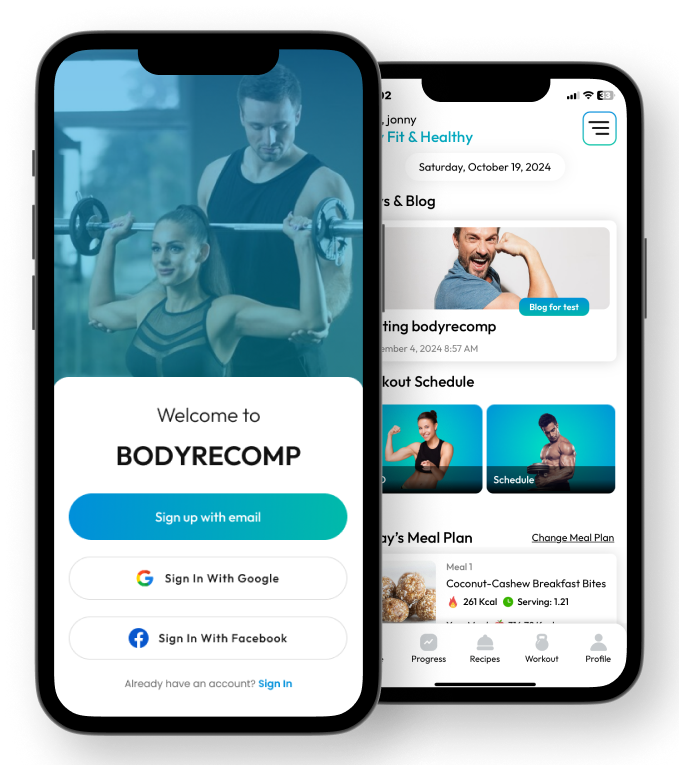
The BodyRecomp app includes a Paleo meal plan option, customized to your body composition goals.
Ready to start your body recomposition journey? Download BodyRecomp — the app that gives you personalized workouts and meal plans built around your exact goals.
Start Your Transformation Today
Get a personalized workout program and meal plan built around your exact goals. Free to download — no credit card required.