
What Is Body Recomposition? The Complete Guide
What Is Body Recomposition? The Complete Guide
Body recomposition is the process of simultaneously losing body fat and gaining lean muscle mass. For years, fitness experts claimed you had to choose one or the other — you either cut (lose fat) or bulk (gain muscle). Modern research tells a very different story. Recomposition is not only possible but is the ideal strategy for most people who want to look and feel their best.
The Science Behind Body Recomposition
Your body is constantly breaking down and rebuilding tissue. Fat cells store energy when you consume more calories than you burn, while muscle tissue grows when it receives adequate protein and progressive training stimulus. Body recomposition exploits a key insight: these two processes can happen simultaneously under the right conditions.
A 2020 study published in the Journal of Strength and Conditioning Research found that participants who followed a high-protein diet combined with resistance training lost an average of 4.4 lbs of fat while gaining 2.7 lbs of muscle over 12 weeks — without any weight change on the scale. This is the hallmark of successful body recomposition.
The key mechanisms are:
- Protein synthesis is driven by resistance training and adequate dietary protein (0.7–1g per pound of bodyweight)
- Fat oxidation accelerates when you maintain a moderate caloric deficit (200–400 calories below maintenance)
- Insulin sensitivity improves with training, allowing nutrients to be partitioned toward muscle rather than fat
Who Benefits Most From Body Recomposition?
Body recomposition produces the fastest results in three groups:
Beginners experience what researchers call "newbie gains" — the period when your muscles respond rapidly to any new training stimulus, making it easy to build muscle even in a caloric deficit.
People returning after a break retain muscle memory, allowing faster rebuilding of lost muscle while losing fat simultaneously.
People with higher body fat have more stored energy available to fuel muscle growth, making the simultaneous process easier to sustain.
Advanced, lean athletes may find pure recomposition slower and often benefit more from dedicated bulk and cut phases. But for most people — especially those new to structured training — body recomposition is the optimal starting point.
How to Start Your Body Recomposition Journey
Getting started with body recomposition requires three pillars:
1. Set Your Calorie Target
Aim for a moderate deficit of 200–400 calories below your Total Daily Energy Expenditure (TDEE). Too large a deficit accelerates muscle loss; too small slows fat loss. Most people succeed at around 250 calories below maintenance.
2. Prioritize Protein
Protein is the most critical macronutrient for recomposition. Aim for 0.8–1g of protein per pound of bodyweight per day. This preserves muscle during a deficit and provides building blocks for new muscle growth. Good sources include chicken, fish, eggs, Greek yogurt, cottage cheese, and lean beef.
3. Follow a Progressive Resistance Training Program
Lift weights 3–4 times per week, focusing on compound movements like squats, deadlifts, bench press, and rows. Progressive overload — gradually increasing weight or reps over time — is the primary driver of muscle growth.
You can read more about choosing the right workout plan for body recomposition and building your nutrition foundation.
Common Body Recomposition Mistakes to Avoid
Eating too little protein: Many people cut calories but forget to maintain protein intake. This leads to muscle loss instead of fat loss.
Skipping resistance training: Cardio alone does not trigger the muscle-building response. You must lift weights.
Expecting the scale to move dramatically: Since you're building muscle while losing fat, the scale may barely change even as your body transforms. Track body measurements and progress photos instead.
Not being patient enough: Body recomposition takes 3–6 months to show clear results. Trust the process.
Body Recomposition vs. Traditional Cutting and Bulking
| | Body Recomposition | Cutting | Bulking | |---|---|---|---| | Calorie target | Slight deficit | Significant deficit | Surplus | | Goal | Lose fat + gain muscle | Lose fat | Gain muscle | | Timeline | 3–6 months | 8–16 weeks | 12–24 weeks | | Best for | Most people | Already lean athletes | Hardgainers |
For beginners and intermediate lifters, recomposition delivers the best results with the least sacrifice. You don't have to look worse before you look better.
Get Started With the BodyRecomp App
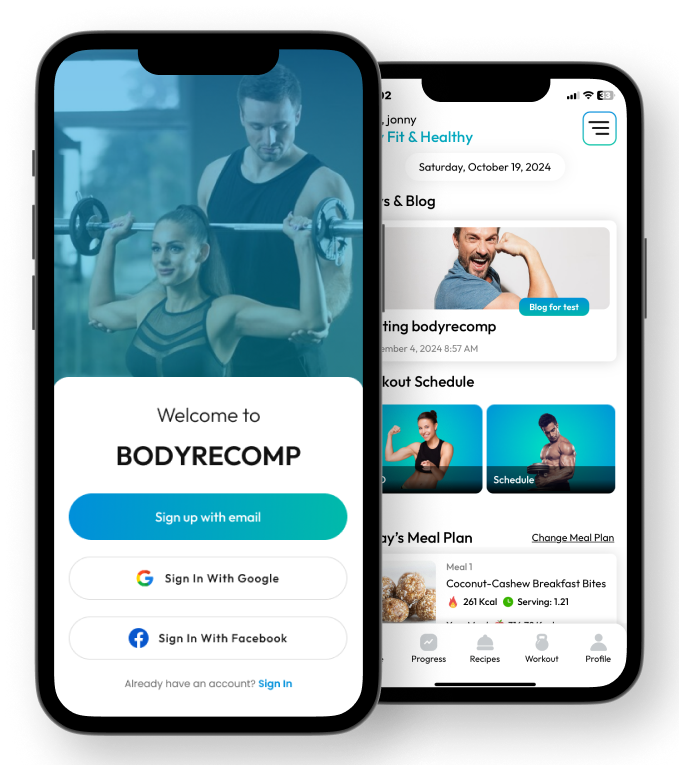
The easiest way to start body recomposition is to let an app handle the calculation for you. The BodyRecomp app calculates your TDEE, sets your macro targets, and generates a personalized workout program matched to your fitness level.
Want to learn more? Check out our guide on how long body recomposition takes and our beginner's guide to recomposition.
Ready to start your body recomposition journey? Download BodyRecomp — the app that gives you personalized workouts and meal plans built around your exact goals.
Start Your Transformation Today
Get a personalized workout program and meal plan built around your exact goals. Free to download — no credit card required.