
How to Track Macros for Body Recomposition (Simple Method)
How to Track Macros for Body Recomposition (Simple Method)
Tracking macros is one of the most powerful tools for body recomposition. It removes guesswork, ensures you hit your protein targets, and keeps your calorie deficit on track. But many people overcomplicate it. This guide gives you a simple, sustainable macro tracking method that doesn't consume your life.
What Are Macros and Why Do They Matter for Recomposition?
Macronutrients — protein, carbohydrates, and fat — are the three main categories of calories in your diet. Each plays a distinct role in body recomposition:
Protein (4 cal/gram): Drives muscle protein synthesis, prevents muscle loss during a deficit, and is the most satiating macro. Non-negotiable for recomposition.
Carbohydrates (4 cal/gram): Primary fuel for resistance training. Optimal carb intake supports workout performance and recovery. Excess carbs store as glycogen (muscle fuel) or fat.
Fat (9 cal/gram): Essential for hormones, including testosterone and estrogen, which influence body composition. Too little fat impairs hormonal health.
Your Recomp Macro Targets
Use these as starting points, then adjust based on results after 3–4 weeks:
| Goal | Protein | Fat | Carbs | |---|---|---|---| | Recomp (standard) | 1g/lb bodyweight | 30% of calories | Remaining calories | | Recomp (aggressive) | 1.1g/lb bodyweight | 25% of calories | Remaining calories | | Recomp (low carb) | 1g/lb bodyweight | 40% of calories | Remaining calories |
For a 165-lb person targeting 2,400 calories:
- Protein: 165g = 660 cal
- Fat: 80g = 720 cal (30%)
- Carbs: 255g = 1,020 cal (remaining)
The Simple 3-Step Macro Tracking Method
Step 1: Use a Food Tracking App for 2–4 Weeks
Apps like MyFitnessPal, Cronometer, or Lose It let you scan barcodes and log meals quickly. Spend 4–6 minutes per meal for 2–4 weeks. This initial period is educational — you'll learn the protein and calorie content of the foods you eat most often.
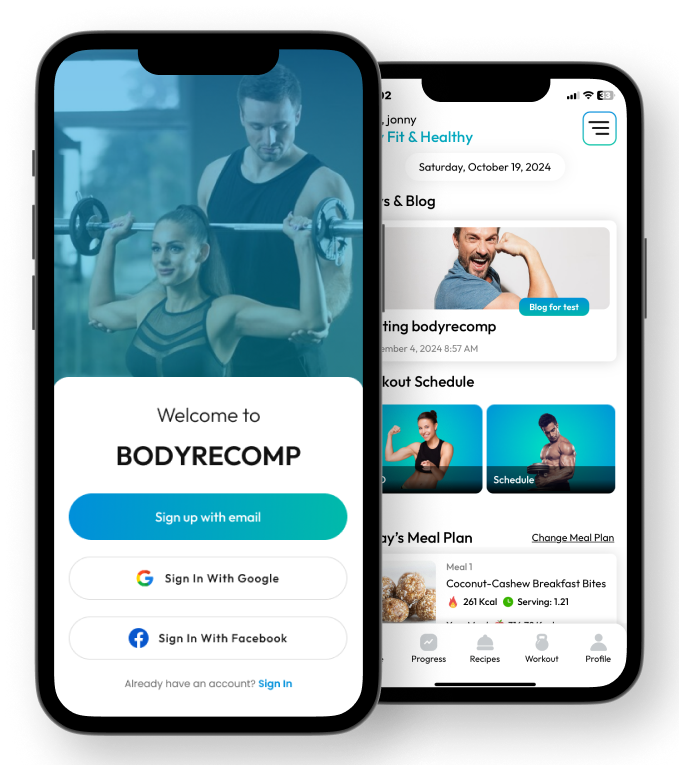
The BodyRecomp app integrates macro tracking directly into your meal plan, so you always know your totals without using a separate app.
Step 2: Build a Rotating Meal Template
After 2–4 weeks of tracking, you'll know your usual meals by heart. Build a template of 5–7 breakfasts, 5–7 lunches, 5–7 dinners, and 3–4 snacks that all hit your macro targets.
Rotate through these without needing to track every day. Only track when you eat something outside your template.
Step 3: Weekly Spot-Checks
Once per week, track a full day to verify you're still hitting targets. This catches drift (portion sizes creeping up, new foods sneaking in) without requiring daily tracking.
Practical Tips for Hitting Your Protein Macro
Protein is the hardest macro to hit consistently. These strategies help:
Front-load protein: Start every meal with your protein source. Eat the chicken before the rice.
Protein at every meal: Aim for 30–45g per meal across 4 meals rather than trying to hit your target in fewer meals.
Strategic snacks: Keep high-protein snacks accessible — Greek yogurt, string cheese, hard-boiled eggs, cottage cheese, protein shakes.
Liquid protein when needed: A protein shake (25–30g) at any point in the day is an easy fix when you're falling short.
How to Track Without Obsessing
Many people find macro tracking stressful. Here's how to keep it healthy:
- Don't track every day forever: Use it as a tool for 30–90 days to learn your diet, then move to intuitive eating with periodic check-ins.
- Use the 80/20 rule: Nail your targets 80% of days; the other 20% focus on protein only.
- Track protein as your one non-negotiable: If you're going to simplify, only track protein. Total protein intake predicts recomposition results more than any other variable.
- Weekly average matters more than daily perfection: Being 200 calories over on Saturday is fine if you're on target Monday–Friday.
Macro Tracking for Training Days vs. Rest Days
For optimal recomposition, slightly adjust macros based on activity:
Training days: Eat full carb allocation. Carbs fuel performance and recovery.
Rest days: Reduce carbs by 50–75g, increase fat by 15–20g to compensate. Keep protein identical.
This carb cycling approach optimizes fat burning on rest days while supporting performance on training days. Learn more on our nutrition page or read our guide on calorie deficit while building muscle.
The BodyRecomp app handles macro calculations automatically and adjusts targets on training vs. rest days based on your schedule.
Ready to start your body recomposition journey? Download BodyRecomp — the app that gives you personalized workouts and meal plans built around your exact goals.
Start Your Transformation Today
Get a personalized workout program and meal plan built around your exact goals. Free to download — no credit card required.