
Mediterranean Diet and Body Recomposition: The Most Sustainable Approach
Mediterranean Diet and Body Recomposition: The Most Sustainable Approach
The Mediterranean diet is the most extensively researched diet in human history, with decades of evidence supporting its benefits for heart health, longevity, and body composition. For body recomposition specifically, the Mediterranean approach offers a unique combination of sustainability, anti-inflammatory properties, and excellent macronutrient balance.
What Is the Mediterranean Diet?
The Mediterranean diet is based on the traditional eating patterns of countries bordering the Mediterranean Sea — particularly Greece, Italy, and Spain. It emphasizes:
Foundation foods (eat abundantly):
- Vegetables (especially leafy greens, tomatoes, peppers, eggplant, zucchini)
- Legumes (chickpeas, lentils, white beans)
- Whole grains (whole grain bread, pasta, barley, farro)
- Fruits (fresh and dried)
- Olive oil as the primary fat source
- Nuts and seeds
Regular foods (eat in moderate amounts):
- Fish and seafood (2–4 times per week)
- Poultry (chicken, turkey)
- Eggs
- Dairy (mostly yogurt and aged cheese in moderate amounts)
Occasional foods (eat sparingly):
- Red meat (once or twice per week)
- Sweets and refined foods (rarely)
Why the Mediterranean Diet Works for Body Recomposition
1. Excellent Protein Availability
Despite being plant-forward, the Mediterranean diet provides solid protein through:
- Fish (salmon, sardines, tuna, mackerel, sea bass)
- Chicken and eggs
- Greek yogurt and cheese (moderate amounts)
- Legumes (chickpeas, lentils, beans)
- Nuts and seeds
A well-constructed Mediterranean eating plan can comfortably hit 0.7–0.9g protein per pound of bodyweight with intentional food choices.
2. Anti-Inflammatory Powerhouse
The Mediterranean diet's defining feature is its anti-inflammatory properties:
- Olive oil: Rich in oleocanthal, which acts like a natural ibuprofen
- Fatty fish: Highest food source of omega-3 EPA and DHA
- Vegetables and fruits: Dense in antioxidants and polyphenols
- No processed foods: Eliminates the major dietary drivers of inflammation
For body recomposition, reduced inflammation means faster exercise recovery, better sleep quality, and improved insulin sensitivity — all critical for optimal results.
3. Heart-Healthy Fats Support Hormones
Olive oil, fatty fish, and nuts provide monounsaturated and omega-3 fatty acids that support hormonal health. Testosterone and other anabolic hormones are synthesized from dietary fat — getting the right fats supports the hormonal environment needed for muscle building.
4. Complex Carbohydrates Fuel Training
Unlike keto or strict paleo, the Mediterranean diet includes complex carbohydrates from whole grains and legumes. These provide sustained glycogen stores for resistance training performance and recovery.
5. Long-Term Sustainability
The Mediterranean diet is consistently ranked as the #1 most sustainable diet by registered dietitians. People stick with Mediterranean eating far longer than any other structured diet approach. For body recomposition — which requires months of consistency — adherence is the most important factor.
How to Optimize Mediterranean Eating for Body Recomposition
Standard Mediterranean eating may not automatically hit the protein targets needed for optimal muscle building. Make these adjustments:
Increase fish frequency: Aim for fish 4–5 times per week rather than the traditional 2–3. Salmon, sardines, tuna, and mackerel are exceptional protein + healthy fat sources.
Add Greek yogurt daily: One cup of plain Greek yogurt adds 15–20g protein and fits perfectly in the Mediterranean framework.
Prioritize protein at every meal: Ensure each meal contains a protein source of at least 25g.
Add legumes generously: Chickpeas, lentils, and white beans are Mediterranean staples. They provide 7–9g protein per 100g and are excellent fiber sources.
Sample Mediterranean Body Recomposition Day
Breakfast: Greek yogurt bowl with mixed berries, walnuts, and a drizzle of honey + 2 hard-boiled eggs = ~480 cal, 34g protein
Lunch: Large salad with canned tuna or sardines, chickpeas, cherry tomatoes, cucumber, olives, feta cheese, and olive oil dressing + whole grain pita = ~550 cal, 38g protein
Afternoon snack: Hummus with carrots and celery + handful mixed nuts = ~280 cal, 9g protein
Dinner: Baked salmon with roasted vegetables (zucchini, eggplant, tomatoes) drizzled with olive oil + quinoa or barley = ~580 cal, 42g protein
Evening snack: 1 cup Greek yogurt + 1 apple = ~180 cal, 15g protein
Total: ~2,070 cal, 138g protein — adjust portions to your individual targets
Mediterranean Diet vs. Other Approaches for Recomposition
The Mediterranean diet is particularly competitive with other dietary approaches because:
- High adherence rates (most people can maintain it long-term)
- Anti-inflammatory effects support recovery
- Flexible enough to include foods you enjoy
- Research-backed for fat loss and overall health
Its mild disadvantage compared to strict high-protein diets is that hitting 1g+ protein per pound requires more intentional planning. See our protein intake guide for strategies to close this gap.
For comparisons with other diets, read our keto for recomposition post or our full body recomposition diet guide. Explore meal plan options on our nutrition page.
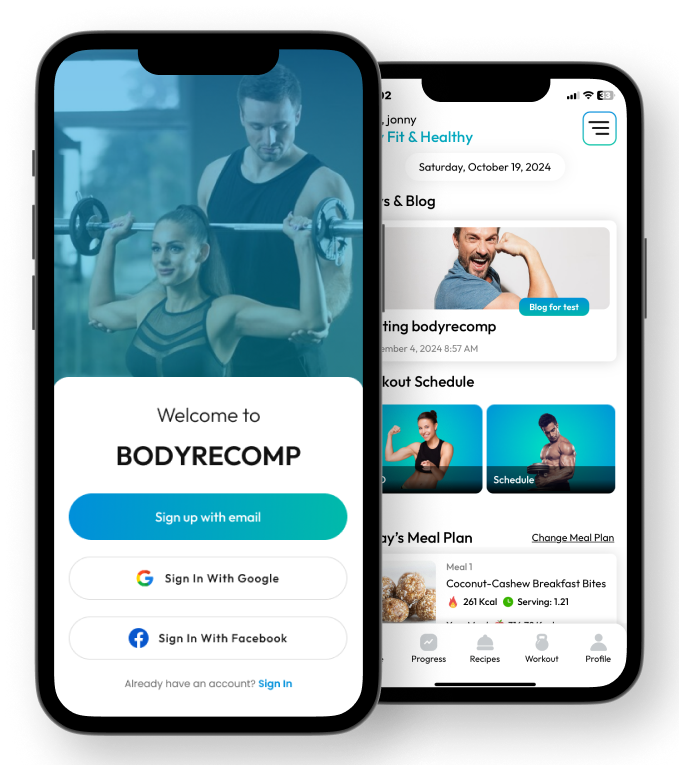
The BodyRecomp app includes a Mediterranean meal plan option, optimized for body recomposition macros and calorie targets.
Ready to start your body recomposition journey? Download BodyRecomp — the app that gives you personalized workouts and meal plans built around your exact goals.
Start Your Transformation Today
Get a personalized workout program and meal plan built around your exact goals. Free to download — no credit card required.