
Best Supplements for Body Recomposition: What Actually Works
Best Supplements for Body Recomposition: What Actually Works
The supplement industry generates billions of dollars annually by selling hope. Most products do not deliver meaningful results. But a small number of supplements have strong, consistent scientific evidence behind them and genuinely support body recomposition. This guide separates the science from the marketing.
Important baseline: No supplement can overcome poor nutrition, inconsistent training, or inadequate sleep. Supplements fill gaps — they don't create results from nothing.
Tier 1: Evidence-Based, High Impact
1. Creatine Monohydrate
Creatine is the most well-researched performance supplement in existence, with over 500 peer-reviewed studies supporting its effectiveness. It works by increasing phosphocreatine stores in muscles, allowing higher energy output during short, intense efforts (like lifting weights).
Effects for body recomposition:
- Increases strength by 5–15% over the first few months
- Allows more training volume (more reps at higher weights)
- Promotes muscle cell hydration, which enhances protein synthesis
- A 2021 meta-analysis found creatine supplementation added an average of 2.2 lbs of lean mass over 12 weeks vs. placebo
Dose: 5g daily. No need to load. Take at any time — consistency matters more than timing.
Cost: Very affordable (~$20–30 for a 3–4 month supply of pure creatine monohydrate)
Buy: Creatine monohydrate (not ethyl ester, not buffered, not HCl — just pure monohydrate)
2. Protein Powder (Whey, Casein, or Plant-Based)
Protein powder is food, not a magic supplement. Its value lies in convenience and cost-effectiveness for hitting your protein targets.
Whey protein: Fast-digesting. Ideal post-workout. Mix with water for lowest calorie option or with milk for more complete nutrition.
Casein protein: Slow-digesting. Best before sleep to provide sustained amino acid delivery overnight.
Plant-based: Pea protein, rice + pea blend. Good option for those who are dairy-free or vegan.
Dose: 1–2 scoops (25–50g protein) when whole food protein isn't available or convenient.
Tier 2: Evidence-Based, Moderate Impact
3. Caffeine
Caffeine is the most widely used performance-enhancing substance in the world, and for good reason. It demonstrably improves training performance:
- Increases strength output by 3–5%
- Increases endurance capacity
- Elevates fat oxidation (fat burning) during exercise
- Suppresses appetite
Dose: 3–6mg per kg of bodyweight, 30–60 minutes before training. For a 170-lb person, that's ~230–460mg.
Sources: Coffee (80–120mg per cup), pre-workout supplements, caffeine tablets
Caution: Tolerance builds quickly. Cycle caffeine (2–4 weeks on, 1 week off) to maintain effectiveness. Do not use within 6 hours of bedtime.
4. Vitamin D3 + K2
Vitamin D deficiency is extremely common (estimated 40%+ of adults are deficient) and directly affects:
- Testosterone production
- Immune function
- Mood and energy levels
- Bone health
For body recomposition, optimal vitamin D levels support hormonal health and training performance.
Dose: 2,000–5,000 IU Vitamin D3 daily with K2 (100–200mcg). Take with a fat-containing meal for best absorption.
Note: Get your blood levels tested (25-OH Vitamin D test). If below 40 ng/mL, supplementation is important.
5. Fish Oil (Omega-3 Fatty Acids)
Fish oil provides EPA and DHA, omega-3 fatty acids with extensive evidence for:
- Reducing exercise-induced inflammation and soreness
- Supporting cardiovascular health
- Potentially improving muscle protein synthesis
- Reducing cortisol response to exercise
Dose: 2–3g of combined EPA+DHA daily with meals.
Tier 3: May Help, Limited Direct Evidence
6. Magnesium
Many people are deficient. Magnesium supports sleep quality, testosterone production, and muscle function. Supplementing may improve sleep depth (critical for muscle growth and fat loss) and reduce muscle cramps.
Dose: 200–400mg glycinate or malate form before bed.
7. Zinc
Important for testosterone production and immune function. Athletes tend to lose zinc through sweat. Found in red meat, shellfish, and pumpkin seeds — supplementation needed mainly if dietary intake is low.
Dose: 25–45mg zinc picolinate or gluconate with food.
What NOT to Waste Money On
Fat burners: The active ingredients (usually caffeine + green tea extract) provide minimal additional fat loss beyond what the caffeine alone would produce.
BCAAs (if already eating enough protein): If you hit your daily protein target from whole foods or protein powder, BCAAs add zero benefit.
Testosterone boosters: No supplement meaningfully raises testosterone in healthy individuals with adequate nutrition.
Most pre-workouts beyond caffeine: The exotic-sounding ingredients (beta-alanine, citrulline, etc.) have marginal evidence; caffeine does the heavy lifting.
The Minimal Effective Supplement Stack
For body recomposition, most people need only:
- Creatine monohydrate (5g/day)
- Whey protein (as needed to hit protein targets)
- Vitamin D3/K2 (if deficient)
- Caffeine (pre-workout performance)
Total cost: $50–80 per month — far less than most people spend on supplements with much better results.
For the dietary foundation, read our body recomposition diet guide and our guide on protein intake for recomposition. Visit our nutrition page for meal plan options.
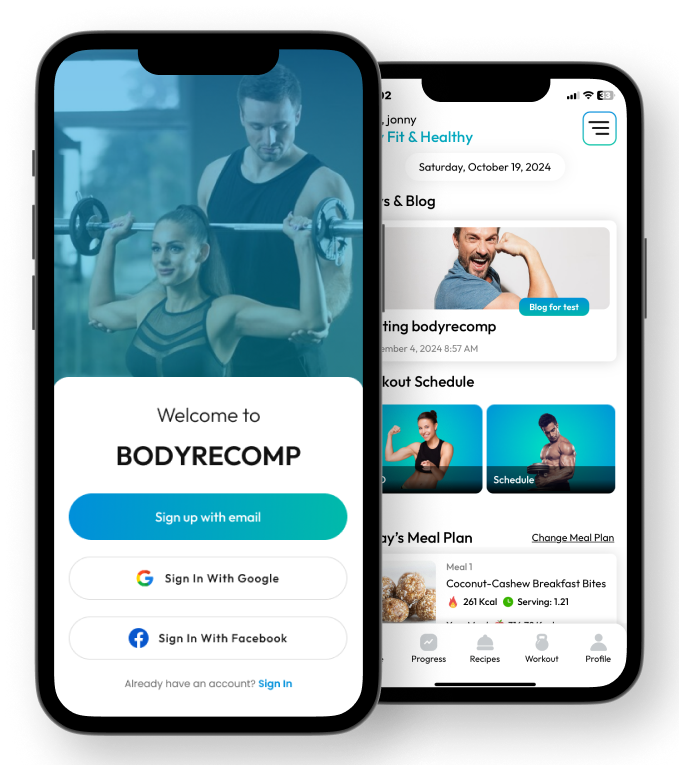
The BodyRecomp app optimizes your food plan so you get maximum results without relying on supplements.
Ready to start your body recomposition journey? Download BodyRecomp — the app that gives you personalized workouts and meal plans built around your exact goals.
Start Your Transformation Today
Get a personalized workout program and meal plan built around your exact goals. Free to download — no credit card required.